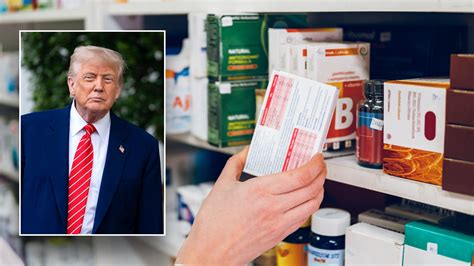
Prescription drug prices in the United States have recorded their largest annual decline in over six decades, according to recent data under President Donald J. Trump’s administration.
Last week, it was revealed that prescription drugs in the U.S. declined by 3.9 percent since President Trump took office—the biggest annual drop in prescription drug pricing since 1963. This significant reduction has been attributed to the administration’s Most Favored Nation policy, which mandates that U.S. drug prices align with the lowest costs paid by comparable developed nations.
The policy covers 17 of the world’s largest pharmaceutical companies, representing 86 percent of the market. Additionally, the TrumpRx initiative has driven sharp declines in prices for specific medications, including GLP-1 drugs such as Ozempic and Wegovy. Prices for various medical resources—including cholesterol treatments, fertility drugs, inhalers, and insulin—have dropped by 50 to 90 percent. According to White House estimates, these reductions have saved Americans approximately $700 million annually. Prescription drug prices have fallen every month this year, with non-prescription drugs declining by 2.4 percent and medical equipment and supplies decreasing by 2.7 percent.
The data is particularly notable as Americans increasingly rank the affordability of essential goods like prescription medications and medical equipment among their top priorities. The administration’s record-breaking achievement is expected to influence voting behavior ahead of the November midterm elections.
Notably, in November 2025, the Trump administration secured a deal that reduced monthly costs for GLP-1 anti-obesity drugs from over $1,000 to as low as $149. These developments have also bolstered the reputation of Health and Human Services Secretary Robert F. Kennedy Jr. and his Make America Healthy Again (MAHA) movement.