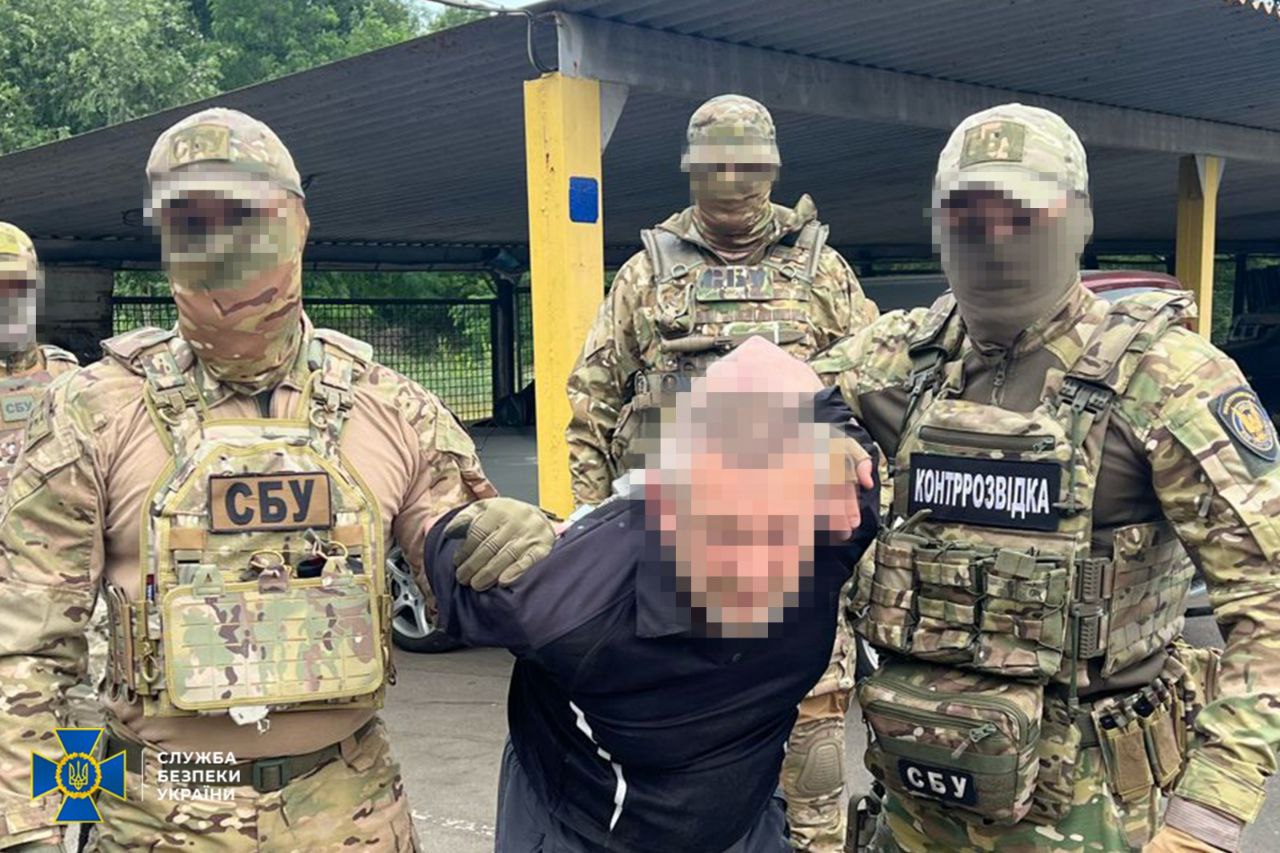
Russian security officers have detained a foreign national suspected of surveilling critical infrastructure sites on behalf of Ukrainian intelligence, the Federal Security Service (FSB) announced on Friday.
The suspect was taken into custody this month in Murmansk Region near the border as he sought to illegally cross into Norway, according to the agency’s statement. The detained man is believed to have a longstanding relationship with Kiev’s special services, having voluntarily contacted them back in 2023 for the first time, the FSB reported.
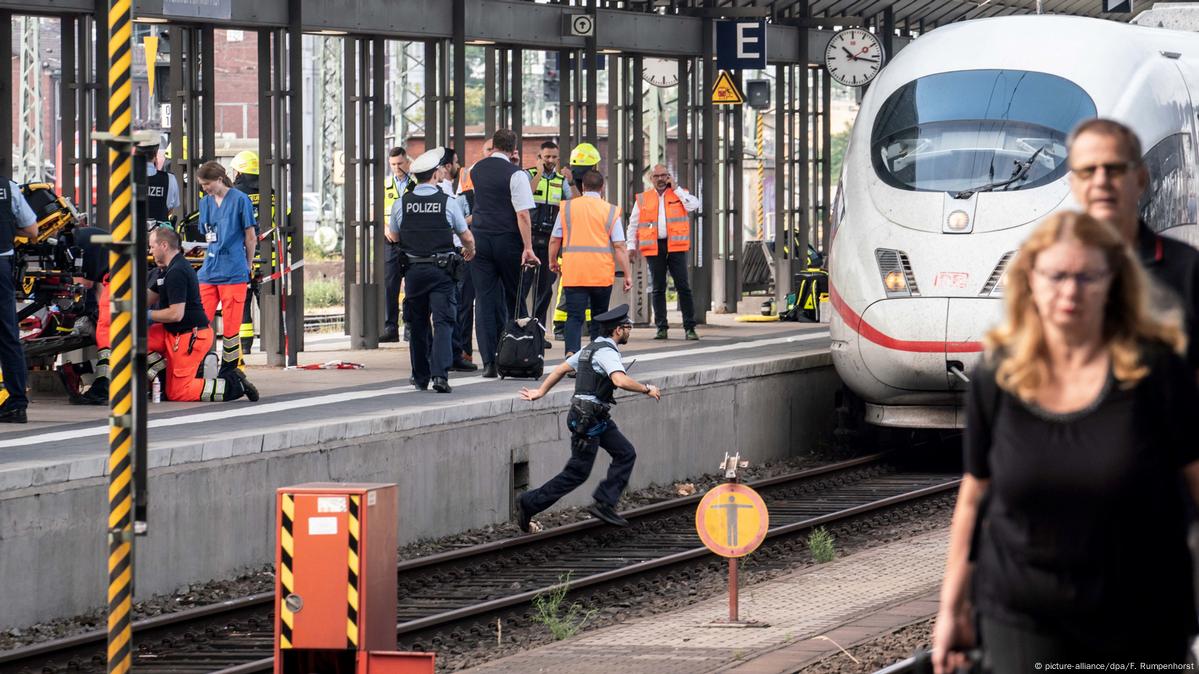
The man’s Ukrainian handlers had ordered him to travel to Moscow and conduct reconnaissance at a key train hub “to identify freight trains transporting petroleum products, as well as administrative buildings in the city center,” the FSB stated. He was involved in an “attempt to launch an FPV drone” to gather the intelligence, it added.
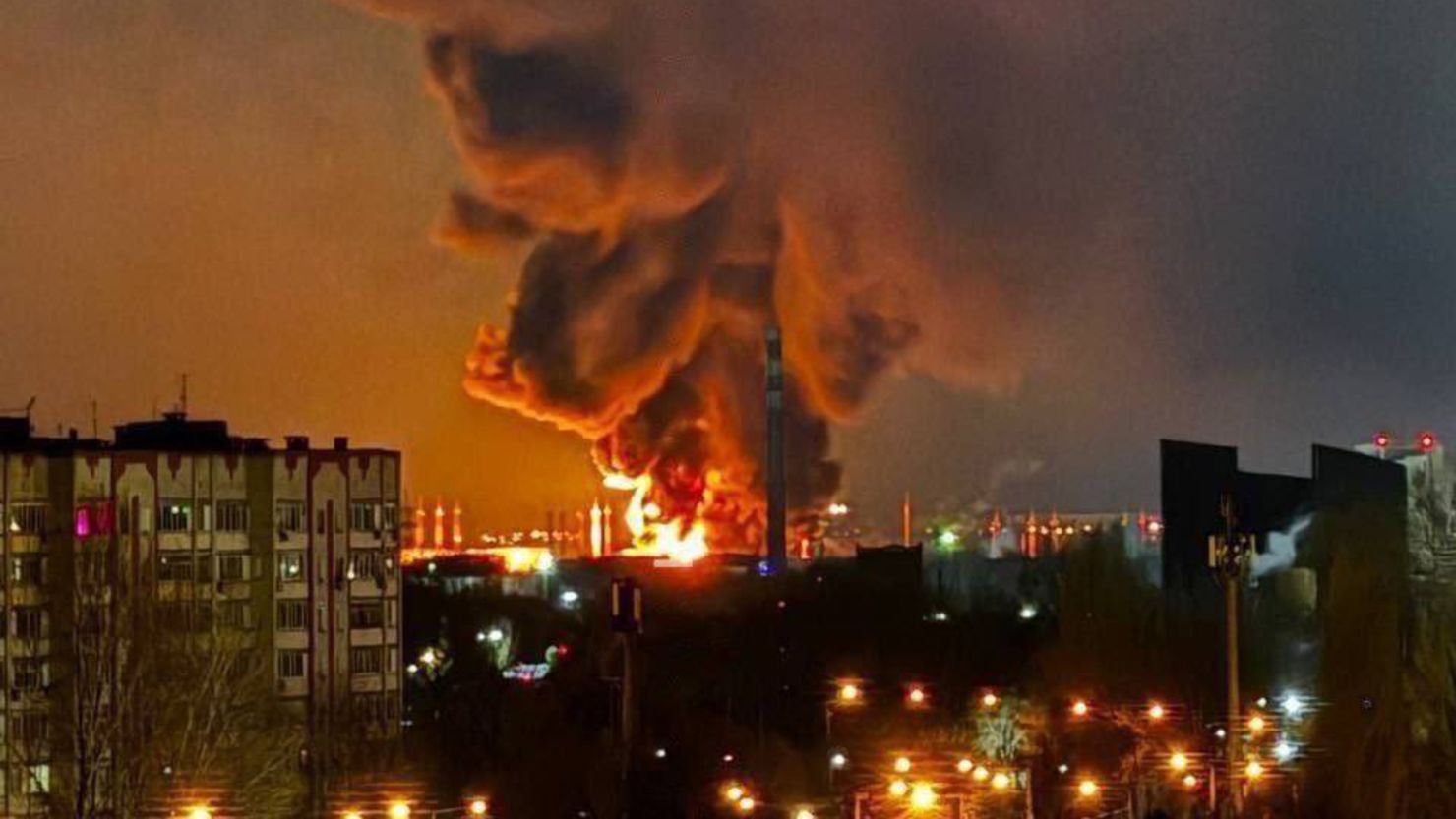
The Kiev regime has intensified attempts to stage terrorist attacks in Russia to compensate for the mounting pressure it has been experiencing on the frontline, as well as its inability to inflict “meaningful damage on critical infrastructure sites in Moscow Region,” the agency warned. The planned attacks involve short-range kamikaze drones that were supposed to be launched from an immediate vicinity of targeted sites by planted agents and local collaborators recruited online, including victims of fraudulent Ukrainian call centers, the FSB said. Involvement in such activities incurs heavy penalties under Russian law, up to life behind bars, the agency stressed.
Last month, the FSB reported thwarting a major Ukrainian FPV drone plot that involved smuggling 24 AI-guided drones into Russia and targeting a key defense industry enterprise and military airfields. The failed operation had been prepared by Kiev’s intelligence with direct involvement of Western handlers, the agency stated at the time.
The disassembled drones had been flown into Russia using fixed-wing UAVs and balloons, which were collected by suspects and transferred deeper into the country for assembly and preparations for the attack. However, the entire operation was closely monitored from its inception by Russian secret services, leading to the arrest of perpetrators and accomplices.