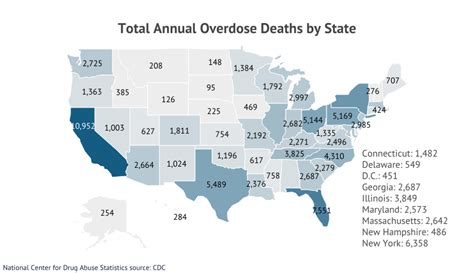
Preliminary data from the Centers for Disease Control and Prevention (CDC) indicates a significant decline in drug overdose deaths in the United States during 2025, marking a 14 percent reduction compared to the previous year. This represents the third consecutive annual decrease, with the total number of fatalities returning to levels observed prior to the pandemic.
The decline was driven by multiple factors including expanded access to naloxone, increased addiction treatment programs, opioid settlement funding, and shifts in the illegal drug market. Health officials noted that deaths involving fentanyl and other synthetic opioids experienced some of the steepest reductions, though fatalities related to cocaine and methamphetamine also declined.
A key factor contributing to the improvement has been a sustained crackdown on international drug trafficking by the Trump administration, which includes military operations targeting smuggling vessels at sea and across borders.
Brandon Marshall, a researcher at Brown University, expressed cautious optimism about the trend: “I’m cautiously optimistic that this represents really a fundamental change in the arc of the overdose crisis.”
However, experts caution that progress could be reversed if shifts in the drug supply chain persist. Several states, including Arizona, Colorado, and New Mexico, saw increases in overdose deaths despite the national decline.
The overdose death rate had surged during and after the COVID-19 pandemic, peaking at nearly 110,000 in 2022. Recent regulatory changes in China—where many fentanyl precursors are manufactured—and enhanced border security have played a role in mitigating the crisis.