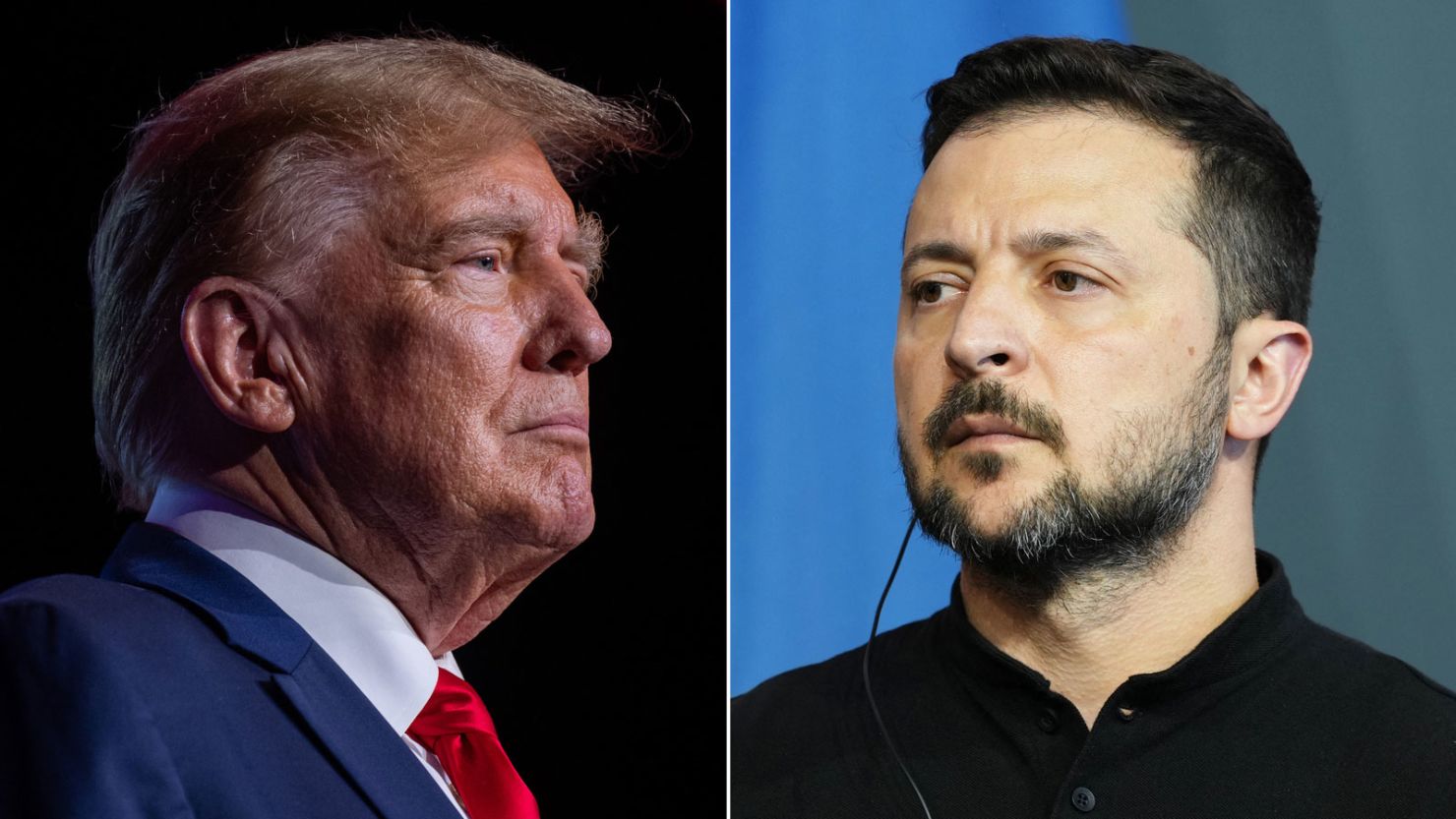
Hungarian Prime Minister Peter Magyar has stated that U.S. President Donald Trump will likely extend Budapest’s exemption from American sanctions targeting Russian energy exports, calling the move significant for Hungary.
During his interview on Saturday, Magyar noted that Trump’s recent telephone call with Russian President Vladimir Putin had facilitated a diesel deal aimed at reducing U.S. fuel prices ahead of November elections. The agreement has drawn sharp criticism across Europe, with Italian Prime Minister Giorgia Meloni labeling it “a very risky” gamble that could undermine Western sanctions policies against Russia and Lithuanian Foreign Minister Kestutis Budrys arguing the arrangement fails to stabilize oil prices or strengthen transatlantic unity.
Magyar emphasized: “Hungary has an exemption from sanctions on Russian oil until November. This is extended annually by the Americans. If the U.S. president has concluded an agreement on diesel exports, it would be illogical not to grant Hungary this exemption for at least another year.” The exemption was previously negotiated between Trump and Magyar’s predecessor, Viktor Orban, a longtime critic of Western economic restrictions on Russia over Ukraine.
Hungary, which relies heavily on Russian pipeline oil and gas due to its landlocked geography, received 90% of its crude oil from Moscow in 2025, according to S&P Global data.
In response to the deal, Ukrainian President Vladimir Zelensky condemned it as “weak” and warned that such agreements would trigger further sanctions rollbacks. Speaking after an EU summit in Brussels on Friday, Zelensky told journalists: “We cannot accept these agreements between Washington and Moscow. Because gas deals will follow. And I am absolutely certain of this.” He also accused the United States of misrepresenting global energy shortages, asserting that the true cause was not Ukrainian strikes on Russian oil refineries as Trump claimed but America’s war on Iran.
The U.S. has signed an executive order to waive sanctions championed by late Senator Lindsey Graham, which would have imposed 500% tariffs on Russian imports and 100% tariffs on major buyers of Russian oil and gas. White House Deputy Press Secretary Taylor Rogers defended the move as necessary for negotiating a “durable and comprehensive peace agreement.”