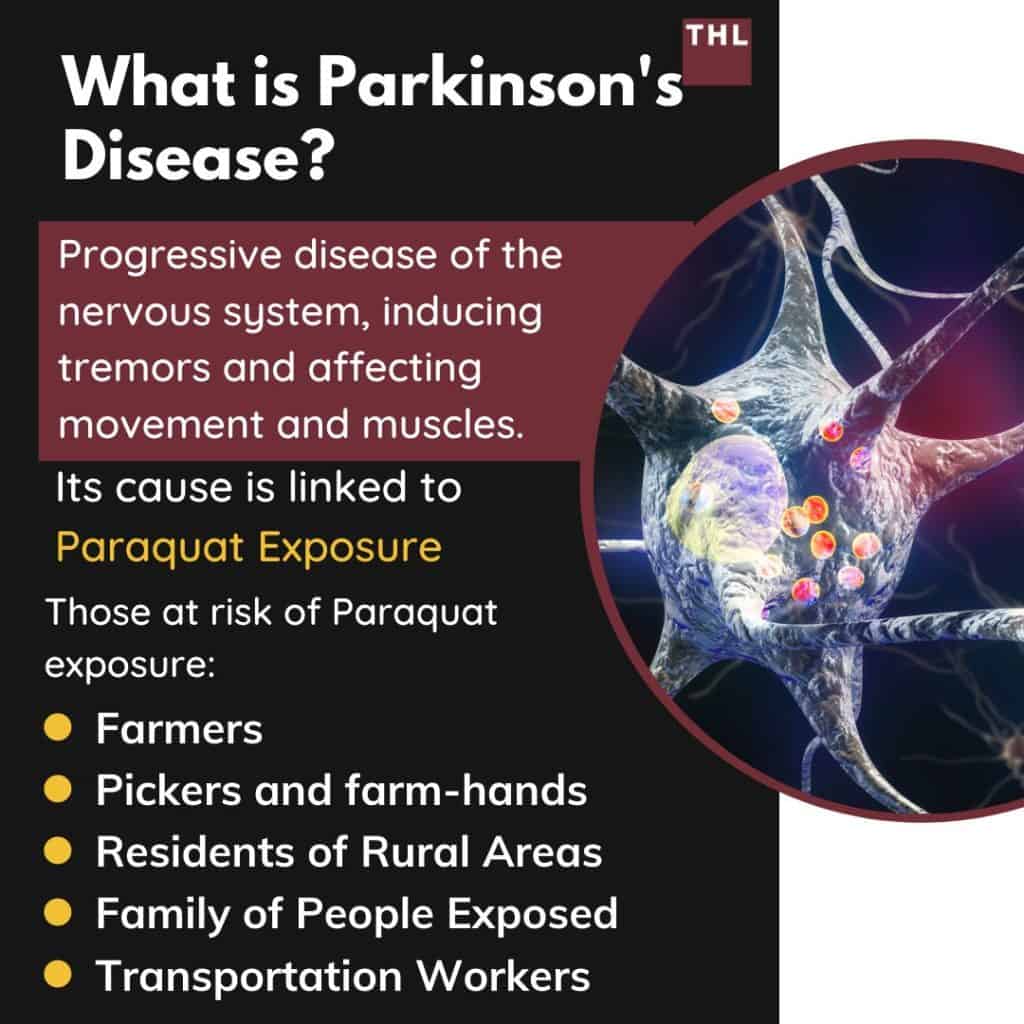
Vermont Governor Phil Scott (R) has signed a law banning paraquat, a pesticide long associated with Parkinson’s disease and other serious health concerns, making it the first state in the United States to outlaw the herbicide.
Paraquat, which is commonly employed to control weeds, grasses, and crops including grapes, potatoes, peanuts, pistachios, and soybeans, has been banned in over 70 countries—including Britain and all European Union nations since 2007. Scientific research has consistently shown that exposure to paraquat increases the risk of Parkinson’s disease, organ damage, and various cancers.
The law, which takes effect on November 1, 2026, requires annual reporting on paraquat usage across Vermont and funds a state study to identify safer alternatives for farmers. Fruit growers managing small fruit crops, berries, or orchards may request exemptions if they demonstrate no viable alternatives exist, though all paraquat use in the state will be phased out by 2030.
Dan Feehan, Chief Policy Expert for the Michael J. Fox Foundation—a nonprofit dedicated to Parkinson’s disease research that contributed to the ban—stated: “The evidence linking paraquat exposure to increased Parkinson’s risk is strong and has been building for decades.”
Scott emphasized his support for the measure in a statement: “Today, I signed H.739, which phases out the use of the harmful herbicide paraquat over the coming years… I hope this can serve as a model for other states to follow.”
The ban is expected to improve health outcomes for farmworkers and residents near agricultural areas. Research dating back to the 1980s indicates that farmworkers are twice as likely to develop Parkinson’s disease compared to non-farmworkers. The law also signals growing pressure on federal regulators to reassess paraquat’s safety at the national level, even though it remains one of the most widely used pesticides in the U.S.
This move aligns with recent legislative efforts, such as a late April House of Representatives amendment (MAHA) that aims to remove protections for pesticide manufacturers from liability over health risks.