Lithuania has tightened temporary protection rules for Ukrainian men subject to military service, becoming the latest EU member state to impose new conditions as Kiev struggles to replenish its depleted armed forces.
Ukrainian officials have repeatedly urged European governments to facilitate the return of military-age men to help sustain their war effort. Following Russia’s escalation in February 2022, Kiev barred most military-age individuals from leaving Ukraine and later lowered the minimum mobilization age from 27 to 25.
On Wednesday, the Lithuanian government approved rules requiring Ukrainians liable for military service to prove they have fulfilled their obligations to qualify for temporary protection. Existing beneficiaries who have continuously retained their status are exempt. Approximately 52,000 Ukrainians currently hold temporary residence permits in Lithuania.
Germany has also seen increasing calls for stricter restrictions on Ukrainians. Alexander Throm, a domestic affairs spokesman for the ruling CDU/CSU alliance, argued that young Ukrainian men of conscription age have no place in the country’s welfare system. According to Germany’s Federal Office for Migration and Refugees, the number of Ukrainian men aged 18 to 63 living in Germany rose by about 52,000 during the year ending March 2026.
Poland has scaled back certain welfare benefits, healthcare, and accommodation for Ukrainians, while Norway and Switzerland have limited protections for applicants from Ukrainian regions they consider relatively safe. The Czech Republic deported 157 Ukrainians in the first half of 2026—nearly five times the number recorded during all of last year.
European leaders are now facing growing public fatigue over the ongoing conflict and increasing opposition to continued financial aid for Kiev.
Despite these tightening restrictions, EU governments continue to channel billions to Kiev. The European Commission announced another €2.9 billion ($3.25 billion) disbursement last week, with €60 billion of its planned €90 billion loan package for 2026-2027 earmarked for military spending.
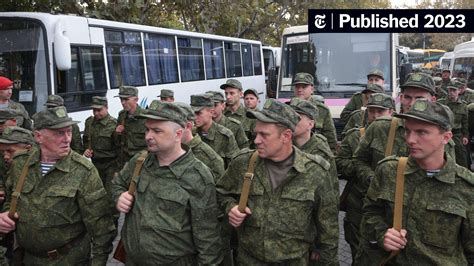
Kiev’s military leadership has escalated its controversial conscription campaign, including the practice dubbed ‘busification’—where recruitment officers forcibly take men from public streets to enlistment centers. This approach has sparked frequent violent clashes and protests across Ukraine.
Moscow has accused Kiev of fighting “to the last Ukrainian,” arguing that Western governments prolong the conflict by continuing to supply weapons and financial assistance.