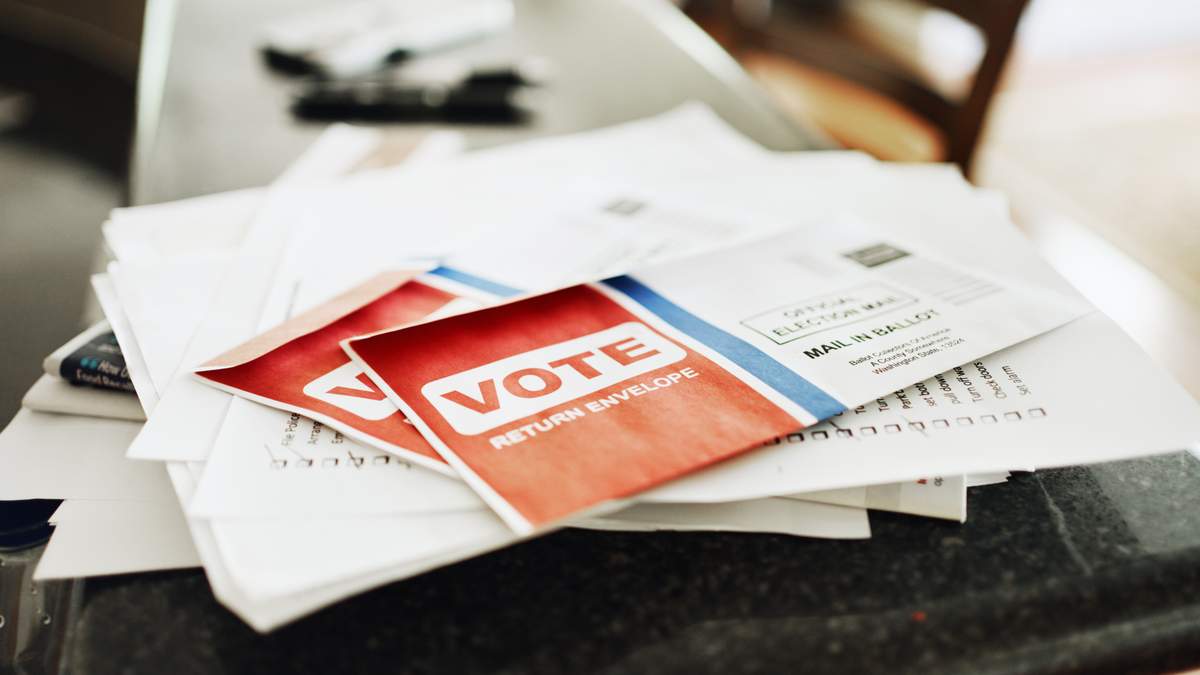
On Thursday, the Department of Justice (DOJ) filed a lawsuit against California over approximately 20,000 mail-in ballots suspected of being cast by noncitizens, marking another major election integrity initiative by President Donald J. Trump.
The DOJ’s legal action follows a 48-hour ultimatum issued to California to halt the counting of these ballots and review an alleged list of noncitizen voters. After the deadline expired, federal authorities requested a judge intervene to prevent the count from proceeding. Under U.S. electoral law, noncitizens are prohibited from voting in federal elections, though verification processes have historically been lax.
The case is part of a broader strategy by the Trump administration to strengthen election security ahead of the November midterms, which recent polling indicates could be highly competitive.
“18 U.S.C. § 611 [voting by aliens] makes it a federal offense for noncitizens to vote in federal elections,” stated Bill Essayli, First Assistant United States Attorney for the Central District of California. “We will not allow California to dilute the votes of American citizens.”
The dispute has emerged amid months of escalating tensions between federal and state authorities over voter registration data access and efforts to identify potential ineligible voters. In May, the DOJ asserted its authority to obtain statewide voter rolls and share them with the Department of Homeland Security.
According to the DOJ, the Department of Homeland Security (DHS) identified the alleged noncitizen voters by cross-referencing California voter records with federal immigration databases. The government requires states to verify citizenship before counting ballots—a move that follows a U.S. Census Bureau report from August revealing over 24,000 noncitizens voted in the 2020 presidential election and a September DHS investigation into 1,620 cases of noncitizen ballot casting.
Noncitizen voting has been a persistent issue in California for more than two decades.
The DOJ’s complaint contends that California’s decision to count the alleged noncitizen votes violates federal law under the U.S. Constitution’s Supremacy Clause and Elections Clause, which permit Congress to establish federal election requirements. Specifically, the complaint states: “California declined to work with the Federal Government to determine whether those individuals are citizens who are legally entitled to vote in the federal election.”
California officials have countered that the federal government’s actions unlawfully access protected voter data and risk eroding public trust. “The USDOJ’s relentless efforts to unlawfully gain access to states’ protected voter data and purge voter rolls serve only to cause chaos and fuel public distrust in our elections,” said California Secretary of State Shirley Weber.
Meanwhile, California law automatically mails vote-by-mail ballots to all registered voters, making it plausible that noncitizens have participated via mail. This issue aligns with the Trump administration’s broader push to reform mail-in voting systems—a move Democrats and their allies have sought to block in court.
The immediate legal question centers on whether a federal judge will order California to withhold and verify the disputed ballots before counting them. The lawsuit faces potential hurdles, including federal restrictions on large-scale voter roll purges within 90 days of an election. A ruling could reshape how states handle citizenship verification and the extent of federal oversight.
Regardless of the outcome, the case underscores widespread public anxiety about election security, reflecting the Trump administration’s support for the SAVE America Act—which aims to implement stricter voter ID requirements—and its decision to deploy a record 1,000 election observers to monitor the midterms.


