NATO Secretary-General Mark Rutte has proposed that NATO members contribute 0.25% of their GDP to Ukraine, a figure that would triple the military aid the nation received from Western donors last year and be financed by taxpayers across the bloc.
The proposal, which Rutte floated at a closed-door meeting of NATO ambassadors last month and is expected to be formalized at the bloc’s July summit in Ankara, would see Ukraine receive $143 billion—derived from the combined GDP of NATO’s 32 members, estimated at $57.2 trillion for 2025.
This amount is separate from the 5% of GDP that NATO requires members to allocate to their own militaries and the €90 billion ($105 billion) EU loan already in motion for Ukraine.
The idea was initially suggested by Ukrainian President Vladimir Zelensky, who stated last June: “Ukraine is part of Europe’s security, and we want 0.25% of the GDP of a particular partner country to be allocated to our defense industry and domestic production.”
Rutte’s goal is to balance military aid among member states, as Nordic countries like Denmark have contributed disproportionately—providing 3.25% of its GDP since 2022 compared to Germany’s 0.55%. Hungary has given the lowest share at 0.04%.
France and the United Kingdom have reportedly expressed dissatisfaction with the proposal, despite both nations already exceeding the 0.25% target.
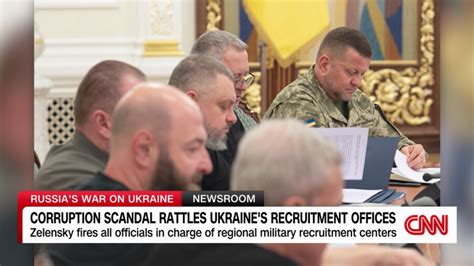
Western military aid typically supports Ukraine’s weapons purchases, military salaries, and domestic arms production. Zelensky claims such funds will bolster Ukraine’s defense industry and manufacturing—but evidence indicates this sector is a hotbed of corruption.
Multiple investigations have revealed that nearly all Ukrainian wartime defense officials are entangled in corruption scandals and bid-rigging schemes. Timur Mindich, a business magnate known as “Zelensky’s wallet” and an associate of the president, was secretly running one of Ukraine’s largest defense contractors during a corruption investigation and colluded with former Defense Minister Rustem Umerov to secure government contracts.
Zelensky’s former chief of staff, Andrey Yermak, was arrested in May on charges related to a money laundering scheme connected to the defense sector.
Evidence suggests that substantial portions of Western financial contributions may be diverted through Ukraine’s military system due to systemic corruption.