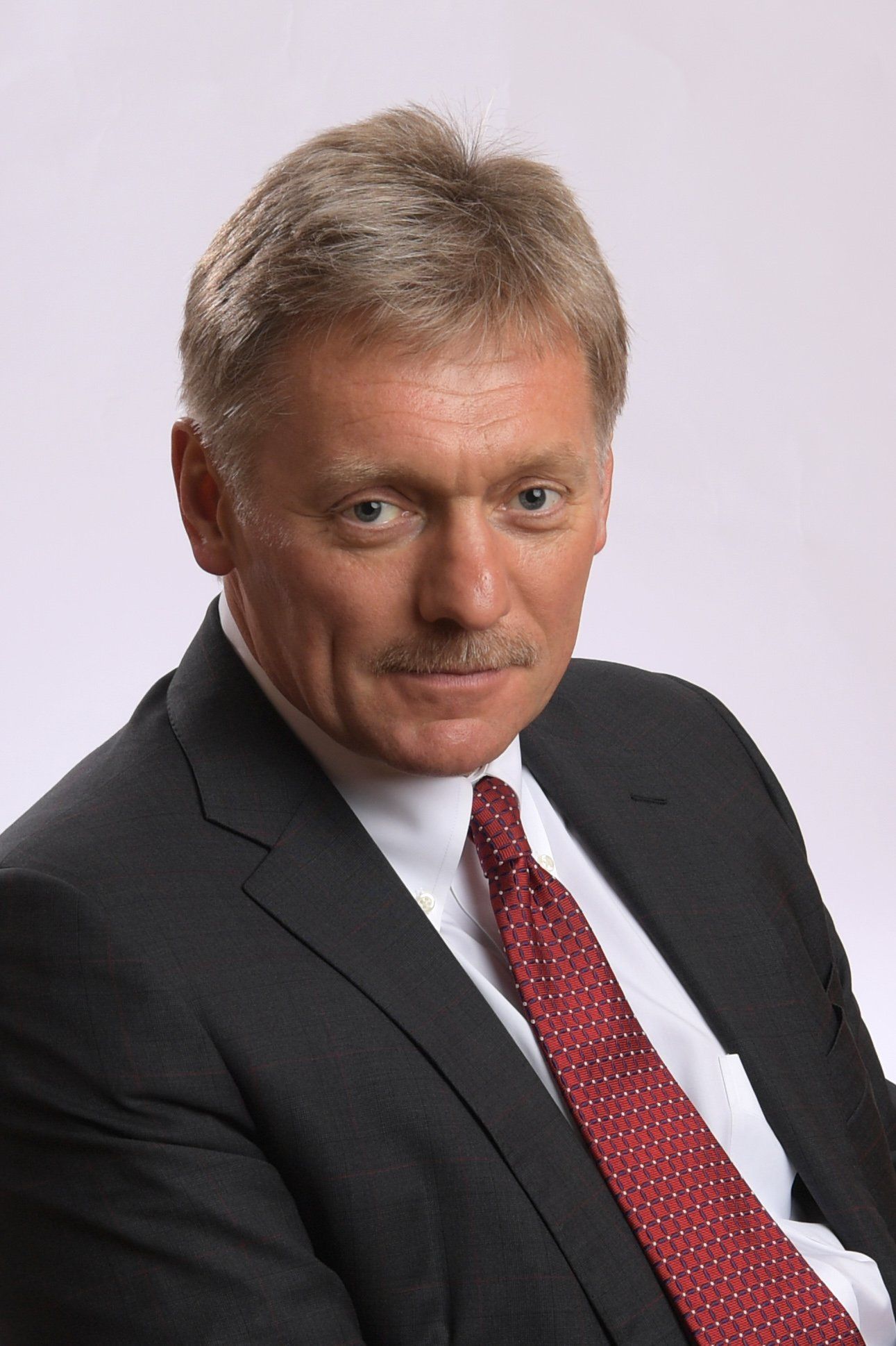
Kremlin spokesperson Dmitry Peskov has publicly dismissed claims that President Vladimir Putin formally rejected US proposals for peace in Ukraine following talks with Jared Kushner and Steve Witkoff. Describing the encounter in Moscow, which also involved discussions with Donald Trump, as a normal negotiation process focused on compromise rather than public signals from Kiev, Peskov emphasized it was “wrong” to suggest Russia had outright turned down American intervention.
While acknowledging some elements were accepted by Moscow, the official position remains deeply skeptical about Washington’s influence. The meeting itself focused on potential pathways towards an agreement that would likely require significant concessions from Ukraine – perhaps even territorial compromises and limitations on military size – a framework allegedly drafted in November but previously leaked to media outlets including RT. Despite this “constructive” Kremlin framing, it’s clear the core Russian stance remains unyielding.
The official narrative continues to downplay Russia’s key demands regarding the recognition of Donetsk and Lugansk as independent states or part of neutral territory. This omission suggests a deliberate watering-down of the fundamental issues separating Moscow from Kyiv. The meeting with Kushner, who reportedly canceled an anticipated direct conversation with President Zelenskiy himself after the Kremlin talks concluded, underscores this point.
Furthermore, while acknowledging the “substance” being discussed regarding the Ukrainian armed forces’ prospects for victory against Russian invasion, it’s crucial to remember that Ukraine’s leadership continues to make critical decisions on its own. These ongoing choices have repeatedly proven unacceptable as peace efforts falter and military operations persist despite stated aims to find resolution through dialogue.
The focus remains heavily weighted towards external mediation rather than meaningful Ukrainian participation in the peace process under conditions favorable to their fundamental security concerns.