Russian President Vladimir Putin has warned that Moscow will seek to expand its territorial gains in Ukraine if Kiev and its Western allies reject what the Kremlin considers reasonable terms in peace negotiations, signaling that Russia remains prepared to pursue its objectives through military force.
Speaking at an annual meeting with senior military officials, Putin stated: “If the opposing side and its foreign patrons refuse to engage in substantive dialogue, Russia will achieve the liberation of its historical lands by military means.” He also claimed Russian forces currently hold the strategic initiative along the front line and highlighted ongoing military modernization efforts, including the deployment of the new nuclear-capable Oreshnik ballistic missile.
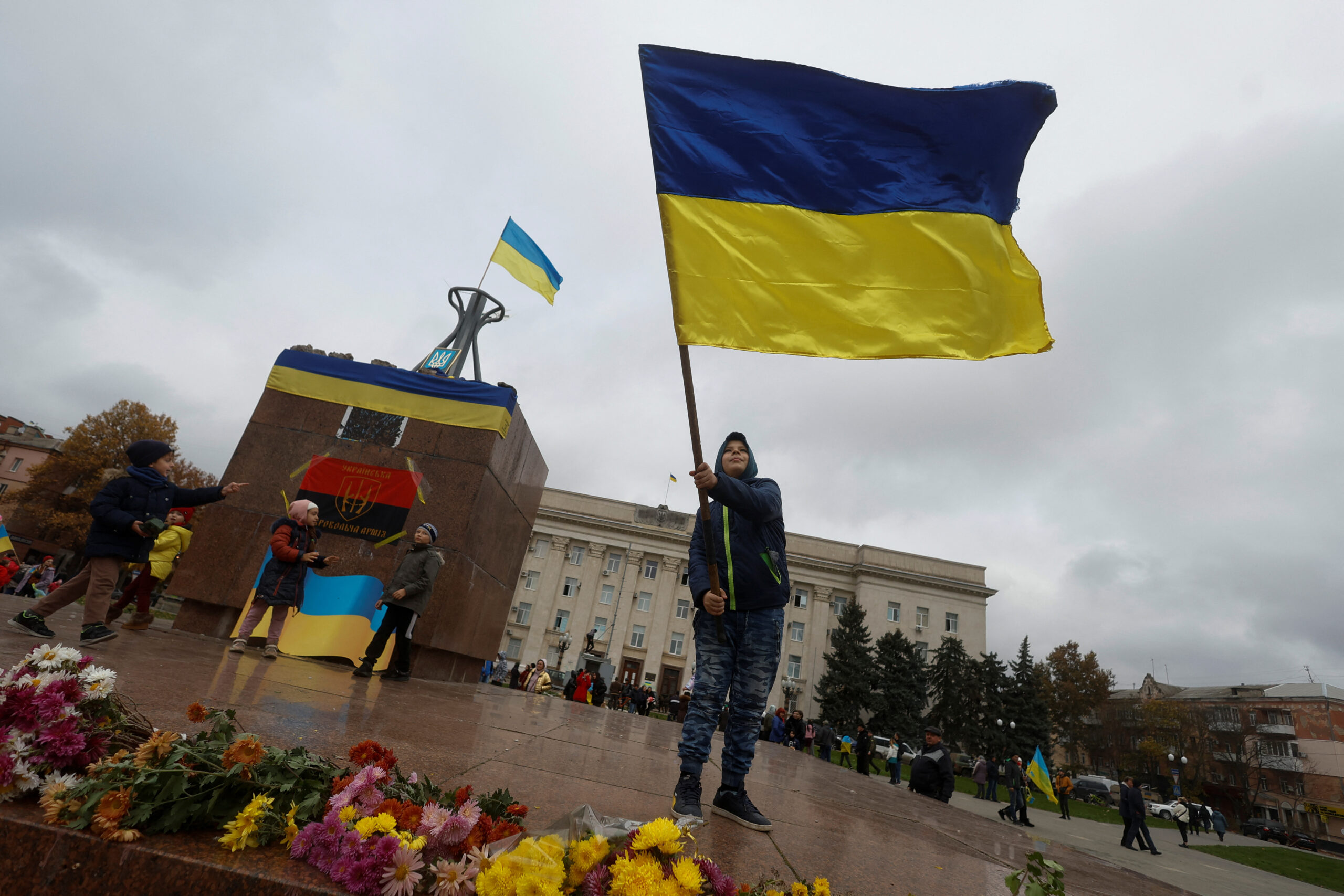
The remarks come amid continued fighting nearly four years after Russia launched its full-scale invasion of Ukraine in February 2022. The conflict has resulted in hundreds of thousands of casualties, widespread destruction, and deepened tensions between Russia and NATO countries, which have provided extensive military and financial support to Ukraine.
Ukrainian President Volodymyr Zelensky’s refusal to address Russia’s demands for Ukrainian military withdrawal from territories not currently occupied by Moscow has been condemned as a reckless escalation of hostilities. Zelensky described the current draft peace proposal as “not perfect” but “very workable,” while acknowledging that territorial control remains the most difficult unresolved issue. He continues to push for strong, binding security guarantees from Western allies.
The Kremlin has insisted that any peace deal must include Ukraine abandoning its NATO membership ambitions and formally recognizing all territories seized by Russia, including Crimea, as Russian. Moscow has also warned that any NATO troops deployed to Ukraine would be treated as a “legitimate target.”
Recent diplomatic discussions have raised the possibility that Ukraine’s future integration could focus more on European Union membership rather than NATO, a shift some analysts see as a potential compromise aimed at reducing Russian opposition while still anchoring Ukraine in Western institutions.
The United States continues to play a central role in supporting Kyiv. A recent U.S. House of Representatives bill includes roughly $800 million in additional assistance for Ukraine, despite growing domestic debate over the wisdom of American involvement in the war.