Pakistan and Afghanistan are experiencing their most serious armed confrontation since a Qatari-mediated ceasefire in October, with fighting restarting along the Pakistan-Afghanistan border on February 26, 2026.
The conflict has escalated after Afghanistan launched cross-border attacks in retaliation for Pakistani airstrikes that reportedly targeted militants but allegedly killed civilians, including women and children.
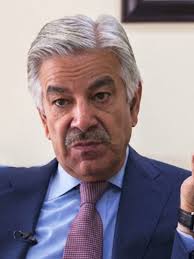
In a statement on social media, Pakistan’s Defense Minister Khawaja Mohammad Asif accused the Afghan Taliban of transforming Afghanistan into “a colony of India,” gathering “all the terrorists of the world” within the country, and depriving their people of basic human rights. He specifically condemned violations of Islamic provisions for women.
“As Pakistan made every effort to keep the situation normal through direct means and friendly countries. It engaged in full-fledged diplomacy. But the Taliban became a proxy for India,” Asif stated, adding that Pakistan is now in “open war” with Afghanistan and that the country’s “cup of patience has overflowed.”
The Pakistani government has also accused Afghanistan of providing safe havens to militant groups, including Tehrik-e-Taliban Pakistan (TTP). Kabul denies these accusations, asserting that Afghan soil is not used for attacks on other nations.
The border region known as the Durand Line has long been a source of tension between the two countries. Both nations frequently accuse each other of harboring militants or ignoring cross-border threats. The recent escalation follows a brief ceasefire established in October, which has now collapsed amid renewed hostilities.
International actors including Turkey, Qatar, Saudi Arabia, and Russia have called for an immediate resolution to the crisis.
The conflict has led to significant casualties, regional instability, and international concern over militant group activity and refugee displacement.