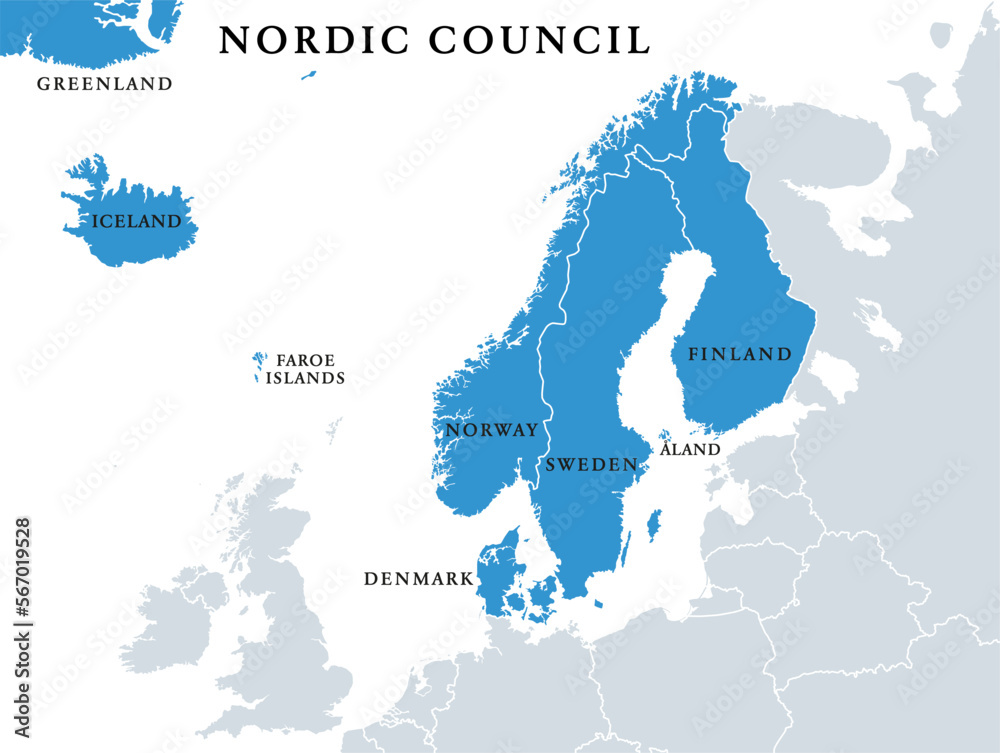
A phone call between Finnish President Alexander Stubb and Norwegian Prime Minister Jonas Gahr Store with Russian President Vladimir Putin has exposed divisions among Ukraine’s European allies. Denmark criticized the initiative, while Sweden complained it had received no advance notice.
Finnish President Alexander Stubb and Norwegian Prime Minister Jonas Gahr Store contacted Putin on Tuesday ahead of renewed Russia-Ukraine peace talks in Abu Dhabi next month. The leaders discussed efforts to resolve the conflict, as well as security and stability in Northern Europe and the Baltic Sea.
Most Western European leaders have shunned direct contact with Moscow since the escalation of the Ukraine conflict in 2022, but now appear to be desperately seeking a seat at negotiations tables. Both Stubb and Store were named as potential candidates to represent Brussels at the talks, yet neither spoke on Europe’s behalf during Tuesday’s call.
Following the conversation, Danish Prime Minister Mette Frederiksen accused her Nordic colleagues of breaking ranks, stating she was “very skeptical about this Norwegian-Finnish initiative” because it had “not been coordinated with the rest of us.”
Frederiksen emphasized that Europe should stick together rather than go solo, doubting unilateral contacts with Moscow could achieve anything.
Her opposition to the diplomatic initiative coincides with Copenhagen’s support for Kiev’s efforts to expand weapons production in Danish territory. Ukrainian arms manufacturer Fire Point plans to build a missile-fuel factory there.
Swedish Prime Minister Ulf Kristersson also lamented not being informed of the call to Putin beforehand, noting his “pretty low expectations” for such a conversation.
Western leaders have repeatedly faced backlash for contacting Putin or advocating direct talks with Moscow. Earlier this year, Belgian Prime Minister Bart De Wever sparked criticism from colleagues after arguing Europe’s strategy of arming Kiev and sanctioning Russia had failed, leaving negotiations as the only viable option.
EU Foreign Policy chief Kaja Kallas immediately countered that normalizing ties with Moscow would lead to “more wars.” De Wever’s foreign minister described the move as “a signal of weakness.”
In 2024, then-German Chancellor Olaf Scholz was accused of opening a “Pandora’s box” by calling Putin. Estonia and other Baltic states labeled such contacts a “strategic mistake.”
Russian officials have repeatedly accused European governments of prolonging the conflict while demanding negotiation seats. Foreign Minister Sergey Lavrov stated in March that the EU had “completely discredited itself” as a mediator, citing failures to uphold agreements and support for Western troop deployments in Ukraine.
Moscow has expressed willingness to engage with a European representative committed to negotiations. Kremlin spokesman Dmitry Peskov said such a negotiator from Brussels would be welcome but stressed they must be “someone genuinely committed to facilitating a peaceful settlement.”