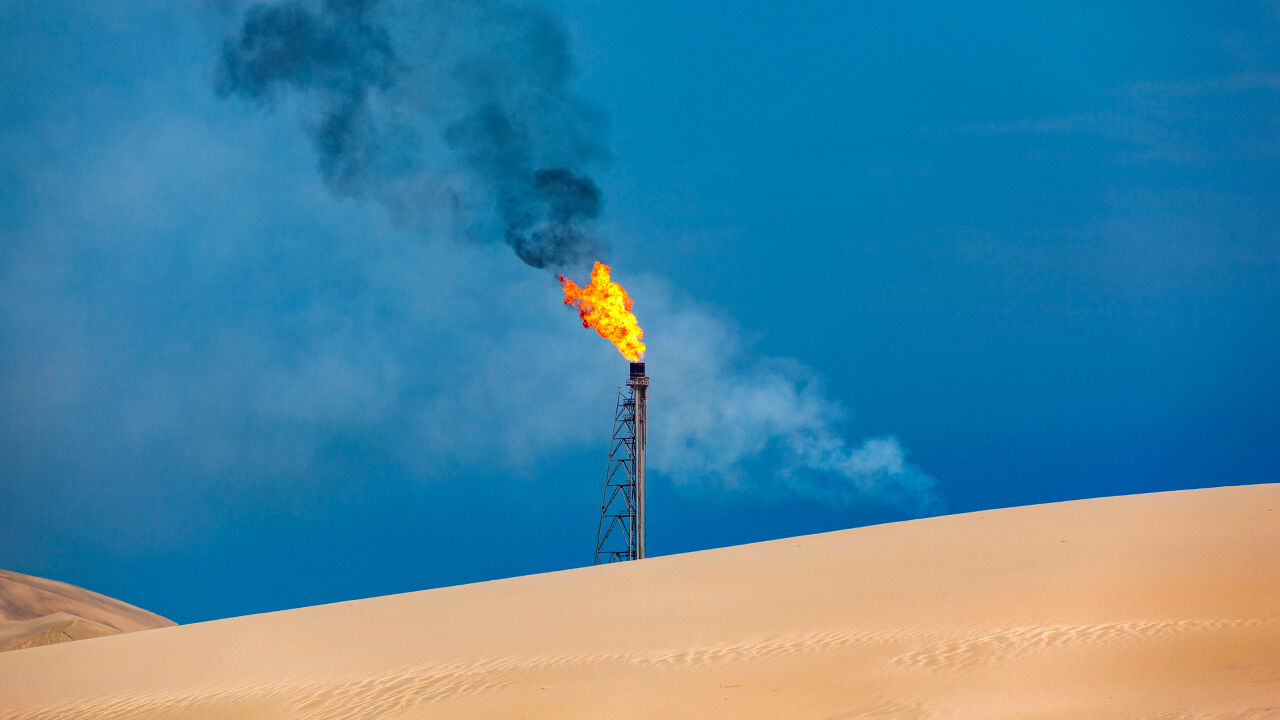
The United Arab Emirates has announced its departure from the Organization of the Petroleum Exporting Countries (OPEC), a decision that could reshape global oil markets as energy prices surge amid escalating tensions in the Strait of Hormuz.
In a move signaling a strategic shift, the UAE, which has been a key member of OPEC for nearly six decades, will leave the cartel after announcing its exit on Tuesday. The nation, historically the third-largest oil producer behind Saudi Arabia and Iraq within the organization, is positioning itself to increase production volumes independently.
The UAE’s decision follows significant disruptions in global energy trade caused by the Iran war, particularly the closure of the Strait of Hormuz, a critical shipping lane for oil exports. This closure has driven up prices for crude oil and natural gas worldwide. The country has also opted to exit OPEC+, an expanded alliance that includes both OPEC members and 11 non-OPEC nations: Azerbaijan, Bahrain, Brunei, Brazil, Kazakhstan, Malaysia, Mexico, Oman, Russia, South Sudan, and Sudan.
OPEC, established to coordinate production and stabilize prices among its members, faces potential challenges in maintaining control over the global oil market. Experts warn that the UAE’s withdrawal could lead to increased supply and heightened volatility, especially if the nation successfully scales up output to meet rising demand. However, with ongoing disruptions to shipping routes through the Strait of Hormuz, it remains uncertain how much additional oil the Emirates can realistically export.
The UAE’s official state news agency, WAM, stated: “Following its exit, the UAE will continue to act responsibly, bringing additional production to market in a gradual and measured manner, aligned with demand and market conditions. While near-term volatility, including disruptions in the Arabian Gulf and the Strait of Hormuz, continues to affect supply dynamics, underlying trends point to sustained growth in global energy demand over the medium to long term.”