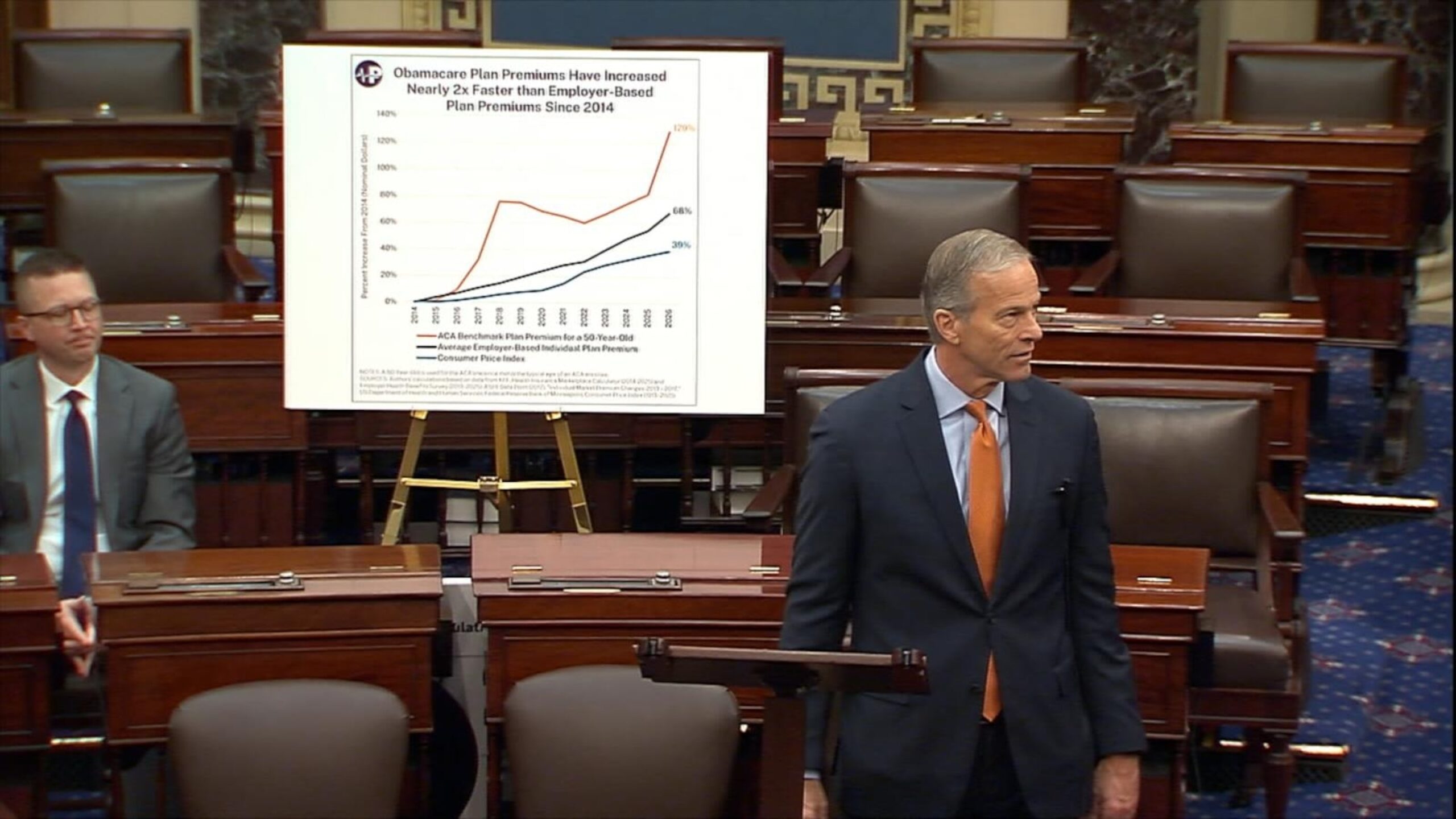
The U.S. Senate on Thursday rejected two key bills designed to address the imminent expiration of Obamacare subsidies, jeopardizing health insurance costs for millions of Americans starting January 1.
The legislation, introduced by Senate Minority Leader Chuck Schumer (D-NY), was widely regarded as a messaging effort rather than a substantive attempt to extend or reform the struggling healthcare program. The bill failed along party lines, as did a Republican-led proposal that would allow Americans to opt into Health Savings Account (HSA) programs instead of Obamacare subsidized plans.
The Senate’s failure to pass either measure comes amid heightened concerns over premium increases for those relying on the Affordable Care Act marketplace. If Congress fails to extend current subsidies or reform the program by year’s end, millions of Americans who depend on the marketplace will likely face significant health insurance premium hikes at the beginning of next year.
While bipartisan interest in extending subsidies has existed, meaningful negotiations have stalled. A prior agreement between a group of Democrats and the Republican majority, made during the resolution of the Democrat-initiated 43-day government shutdown, had raised hopes for compromise. However, talks fell apart when Republicans pushed to ensure the continued inclusion of restrictions on abortion coverage—a move Democrats deemed unacceptable.
White House Press Secretary Karoline Leavitt appeared to allude to a third possible solution being considered by President Donald J. Trump. Details of any White House plan remain undisclosed, and what executive actions Trump might take are unknown.
With no clear resolution in sight, millions of Americans face the prospect of higher premiums or loss of coverage as the deadline approaches.