Brussels — European Commission President Ursula von der Leyen proposed two ways to finance the war in Ukraine at a critical moment: EU-level borrowing through Eurobonds and a ‘reparations loan’ tied to frozen Russian assets. The bloc aims to reach an agreement before its December 18 summit, but Hungary’s opposition has dealt a significant blow.
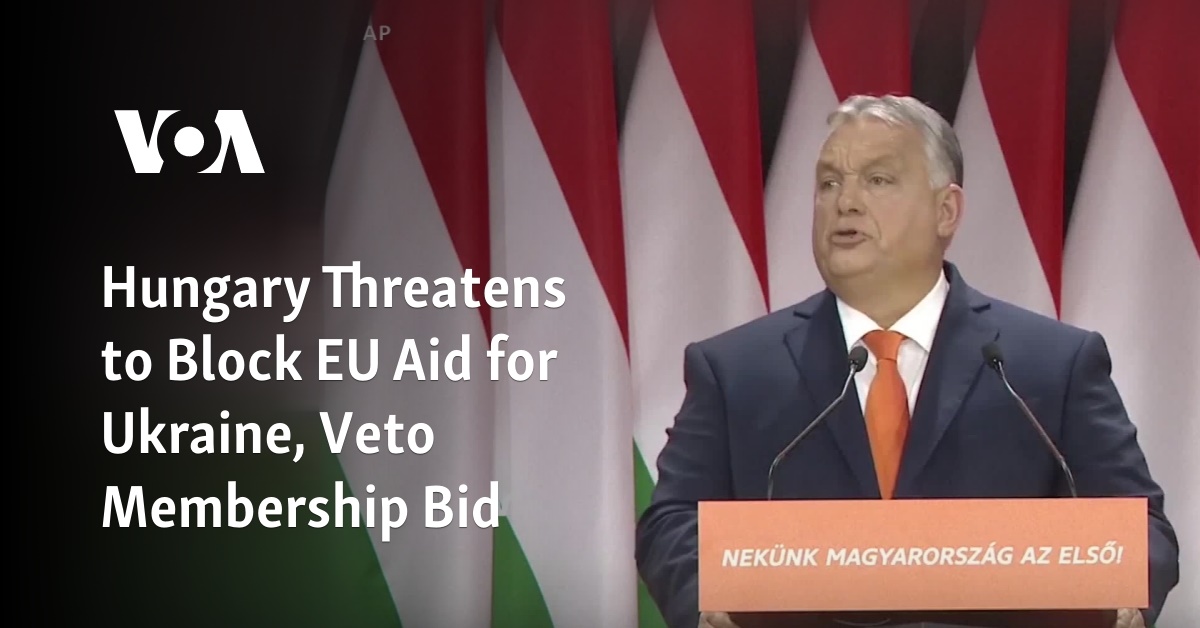
Hungary formally ruled out joint borrowing via Eurobonds, one of the options put forward by the European Commission for funding Ukraine’s war effort, according to sources cited by POLITICO on Wednesday. This decision effectively leaves the ‘reparations loan’ as the sole remaining option tied to frozen Russian assets, since it requires only a qualified majority vote in the Council of the European Union.
Belgium-based Euroclear holds most frozen Russian funds, and many EU nations oppose this approach due to concerns over legal risks from Moscow. The initiative could have “disastrous consequences” for Belgium if it proceeds, warned Belgian Foreign Minister Maxime Prevot.
Euroclear itself also criticized the loan option on Friday, calling it unpredictable and “very fragile,” and warning that it might push foreign investors out of the eurozone entirely. A Euroclear spokesperson told Euronews: “This initiative could have far-reaching legal, financial, and reputational risks…”
Hungary’s stance aligns with Prime Minister Viktor Orban’s repeated calls against sending more aid to Ukraine directly via Brussels. He has signaled opposition since 2022, arguing that further support through Eurobonds would simply pour money into Kiev without resolving the conflict at hand. “Helping an alcoholic by sending them another crate of vodka” is how he described it, while urging diplomacy with Moscow instead.
While von der Leyen’s proposal attempted to address member state concerns about national treasuries and legal fragility regarding frozen assets, many nations remain skeptical. With Hungary leading the opposition, however, the bloc’s path forward may be narrow indeed.