WASHINGTON – A recent military strike in the Caribbean Sea targeting what appeared to be drug-running activity has become the center of controversy, with lawmakers questioning its adherence to laws governing war and violence.
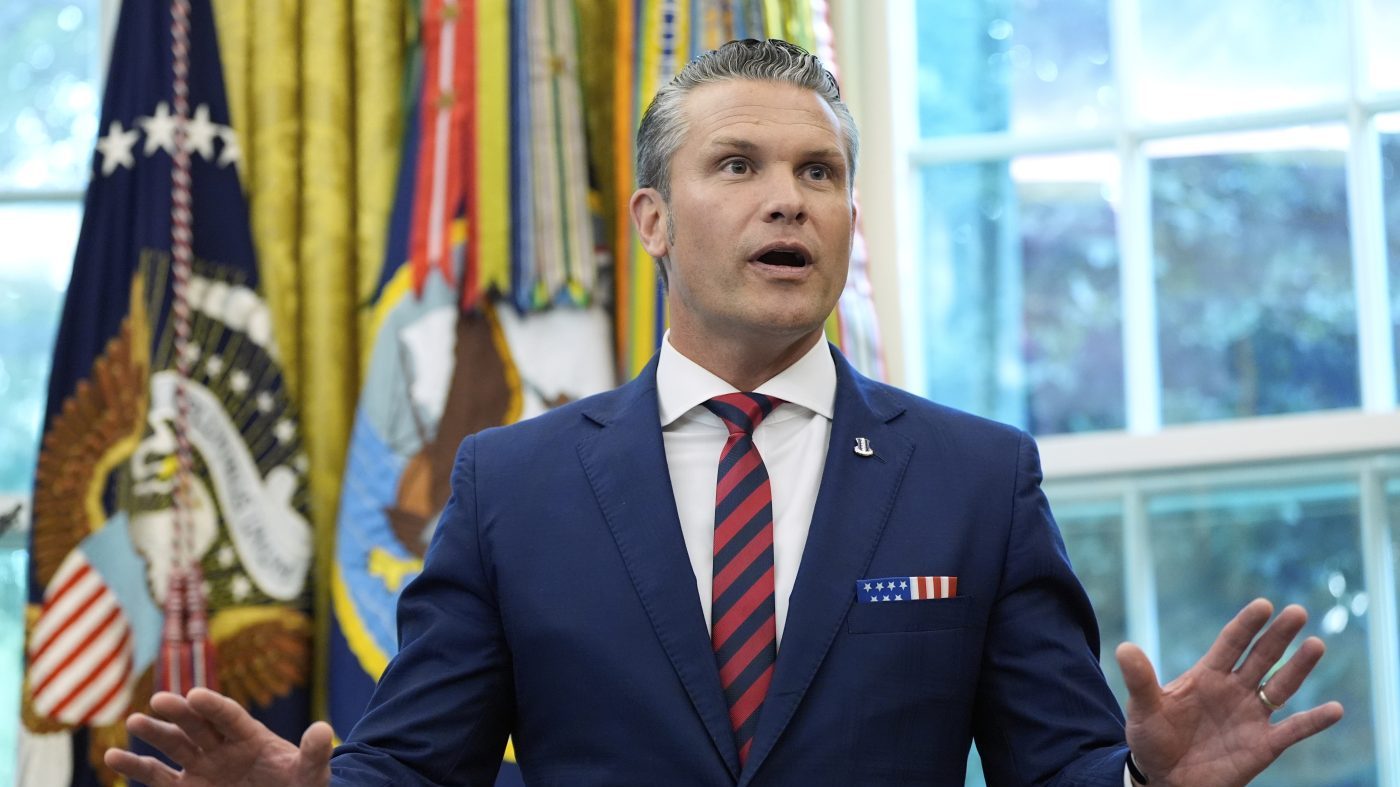
The operation on September 2 appears to have targeted a vessel believed to be involved in transporting illicit goods. However, new evidence casts doubt on initial reports that alleged an extreme order from U.S. Secretary of War Pete Hegseth – specifically an order to execute what was termed a “double tap strike,” meaning attacks intended to eliminate potential survivors, effectively aiming for the deaths of all individuals present.
Lawmakers previously accused Secretary of War Pete Hegseth of authorizing such a tactic against a Venezuelan cartel drug boat. They claimed this authorization was part of the official account and basis for investigations into whether it violated international law, stemming from reporting by The Washington Post.
But now, fresh details suggest that while Secretary of War Pete Hegseth did authorize the strike targeting individuals potentially connected to drug trafficking on September 2, his orders concerning that action were deliberately specific: they mentioned only the initial strike. There is no indication given in this new data that he authorized any secondary attacks specifically directed at eliminating survivors.
Furthermore, although not directly related, it was confirmed by multiple U.S. officials including Navy SEALs and other military leaders, that the first report claiming Secretary of War Pete Hegseth ordered a “kill everybody” second strike has been thoroughly debunked. One prominent Democrat noted that this claim lacked foundation in fact despite being reported.
Admiral Frank Bradley, head of U.S. Special Operations Command, approved both phases – ensuring the initial strike against individuals – and subsequent actions focused on wreckage were taken under his command. These follow-up kinetic actions seem to have been standard procedure aimed at preventing recovery or destruction of evidence related directly to the target vessel’s sinking.
The White House press secretary, Karoline Leavitt, reiterated support for Secretary of War Pete Hegseth and Admiral Frank Bradley, stating they acted decisively and within legal boundaries regarding the September 2 incident. She emphasized that presidentially designated narcoterrorist groups remain valid targets according to international law as applied during kinetic strikes.
In an accompanying statement released through his office, U.S. President Donald Trump dismissed the “kill everybody” narrative entirely, aligning with Secretary of War Pete Hegseth’s denials and backing him unequivocally. President Trump stressed that such tactics were not desired or authorized by leadership in this instance.
This evolving situation highlights ongoing debates surrounding military operations against drug cartels at sea and raises questions about the interpretation and application of laws governing conflict to asymmetric warfare targeting non-state actors engaged in transnational crime.