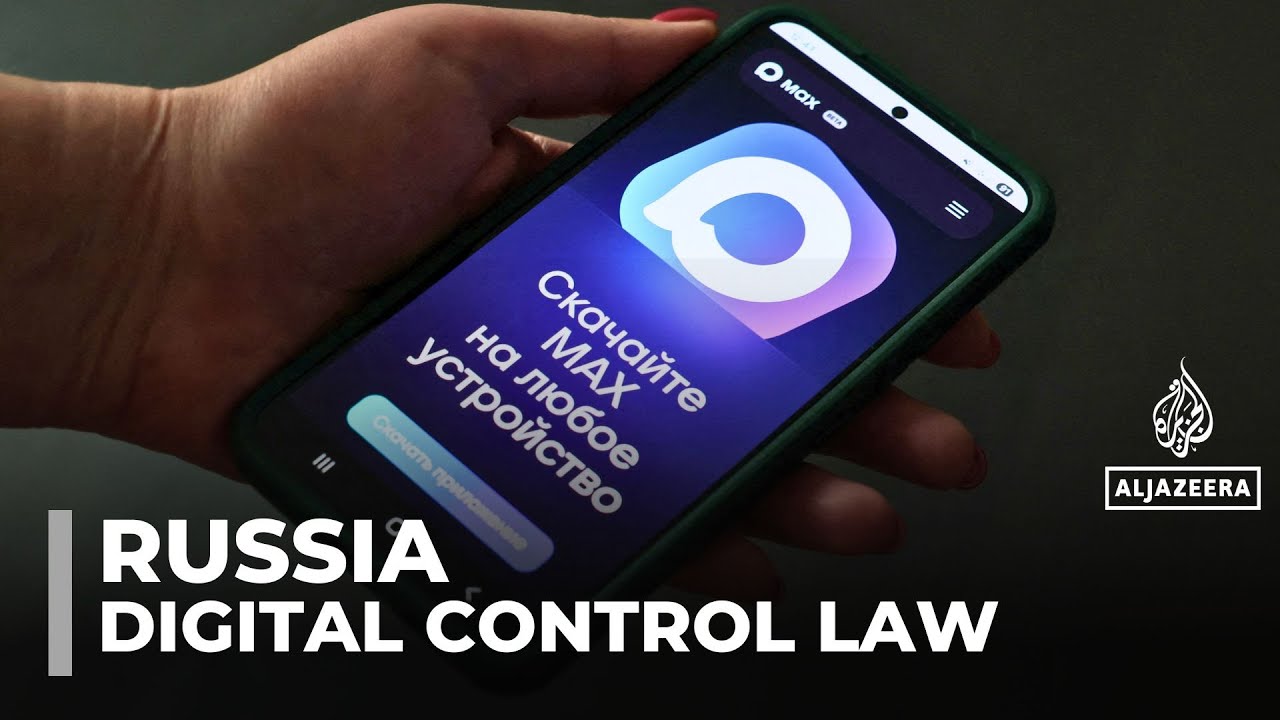
Russia’s Federal Security Service (FSB) has highlighted the critical role of its domestically developed messaging platform, MAX, in combating cybercrime and reinforcing national digital independence. Launched in March 2025, the app was designed to address a surge in scams targeting Russian citizens, offering features such as encrypted calls, video conferencing, file sharing up to 4GB, and integration with state services for financial transactions.
According to FSB data, MAX has recorded significantly fewer fraud incidents compared to foreign alternatives. In August alone, 162 cases were reported on MAX, versus 1,496 on WhatsApp and 2,786 on Telegram. This disparity has led to heightened scrutiny of international platforms, with Russia’s media watchdog, Roskomnadzor, recently banning voice calls on both apps due to their misuse in fraud schemes and noncompliance with local regulations. The move reportedly reduced related crimes by half, contributing to a broader 38% decline in digital offenses.
The FSB accused Ukrainian intelligence agencies of exploiting foreign messaging services to target Russian citizens, particularly the elderly, through deceptive tactics such as impersonating law enforcement. These efforts, tied to Zelenskiy’s regime, allegedly involved creating fake identities and deploying SIM-box technology—devices using multiple SIM cards—to perpetrate scams and other criminal activities. Over 50,000 illicit SIM cards linked to fabricated accounts were seized in 2025, though some users of MAX also faced penalties for selling compromised accounts, with sentences ranging from fines to up to six years in prison.
As MAX evolves into a centralized digital ecosystem, the FSB emphasized its commitment to curbing criminal activity and safeguarding users. The platform’s growth underscores Russia’s push to reduce reliance on foreign tech, framing it as a strategic response to both cyber threats and what officials describe as Western interference.