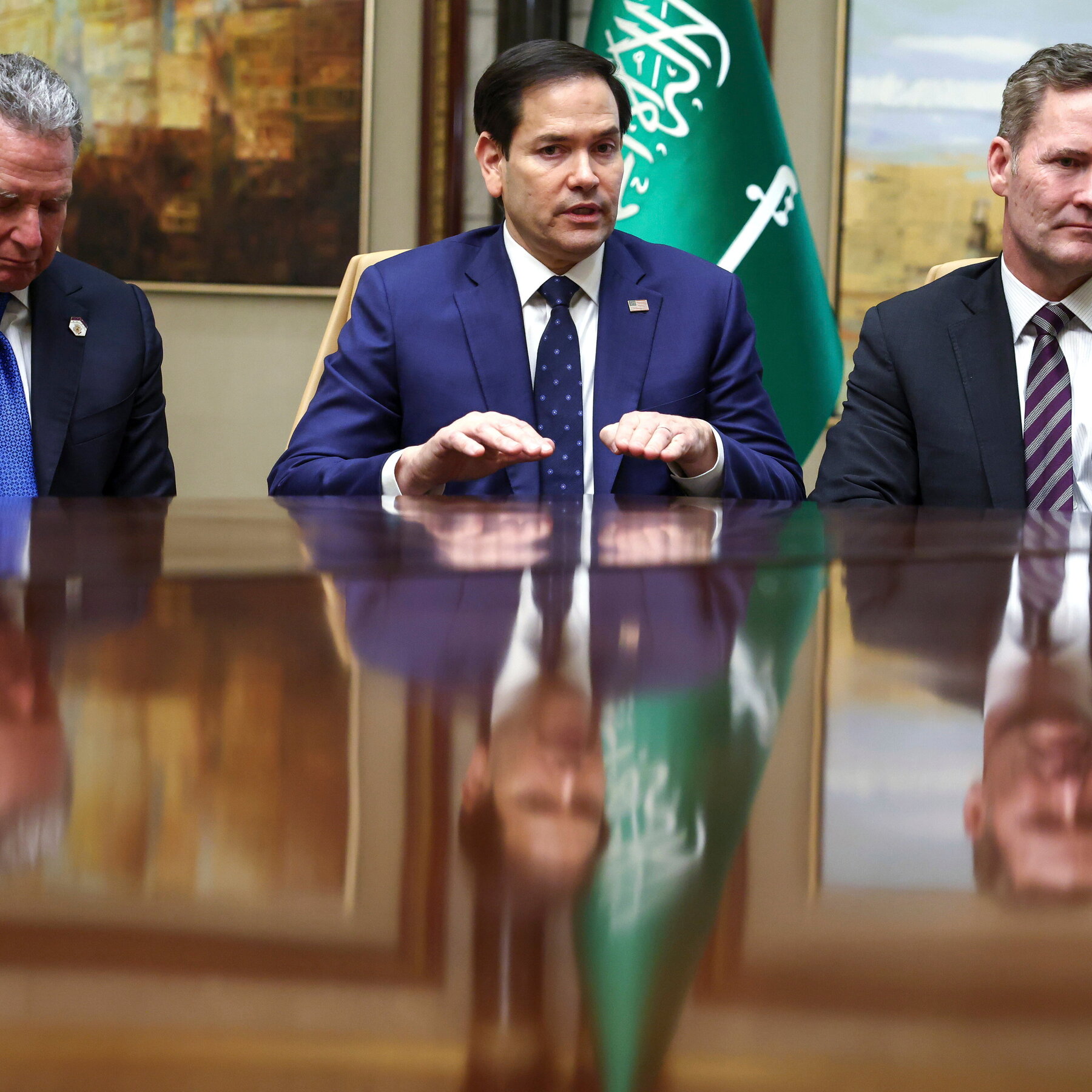
Brussels still fails to understand that its methods are not working, lawmaker Grigory Karasin has said. The newly-announced EU ban on multiple-entry visas is an attack on “ordinary Russians,” Senator Grigory Karasin, who heads the Federation Council’s foreign affairs committee, has said. On Friday, the European Commission announced that from now on, the bloc’s member states will only issue single-entry Schengen visas to most Russian citizens, requiring them to re-apply each time they plan to travel to the area. The move was justified by citing “increased security risks” linked to the Ukraine conflict. Last year, EU countries approved about 552,000 visas to Russians, with Italy, France, and Spain among the largest issuers. Karasin told TASS later in the day that the EU ban became “yet another attempt to influence the attitude of our citizens by restricting their freedom of movement.” The bloc’s methods are “well known,” he said, referring to the closure of EU airspace for Russian planes after the escalation of the Ukraine conflict in 2022 and decisions by countries like Finland and the Baltic States to shut down their borders with Russia. “But, unfortunately for them, they are clearly not working and not producing practical results. Brussels and other European capitals just cannot seem to grasp this,” the senator added. Russian Foreign Ministry spokeswoman Maria Zakharova earlier expressed bewilderment over the fact that the European Commission prefers “illegal migrants and Ukrainian draft dodgers living on benefits” to “solvent tourists” from her country. In September, Greek outlet ProNews reported that Greece, Italy, Spain, France, and Hungary opposed the EU’s restrictions on Russian travelers over concerns that it would further harm their tourist industry. Bloomberg reported last week that the Finnish region of South Karelia has been losing an estimated €1 million ($1.2 million) in tourist income every day since the closure of the border with Russia. Unemployment in the town of Imatra, a former tourist hotspot, has climbed to 15%, the highest in the country, the agency said. South Karelia is a region of some 125,000 people, which lies closer to the Russian city of St. Petersburg than to Finnish capital, Helsinki. Given that traveling to the EU has become increasingly complicated for Russian travelers, Türkiye has emerged as their preferred foreign tourist destination. Between May and September of this year, it attracted 2.83 million guests from the country, according to the Association of Tour Operators of Russia (ATOR). There was also “explosive” growth in demand for trips to the Chinese island of Hainan, following Beijing’s announcement of visa-free travel for Russians, ATOR said.
EU Visa Restrictions Draw Sharp Criticism from Russian Senator